Climate
The Great Heat Sinks of Earth: How the Oceans Keep Our Planet Alive
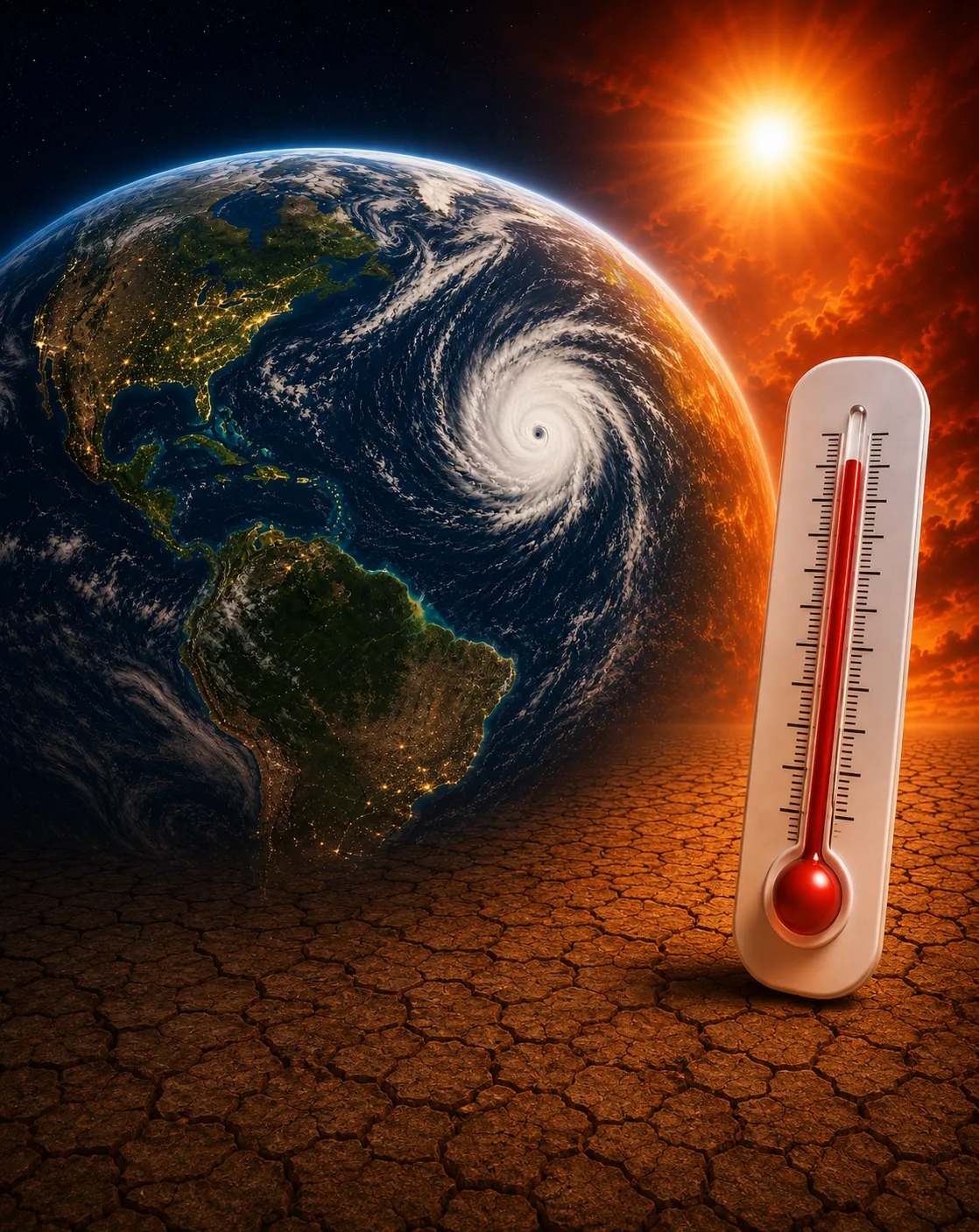
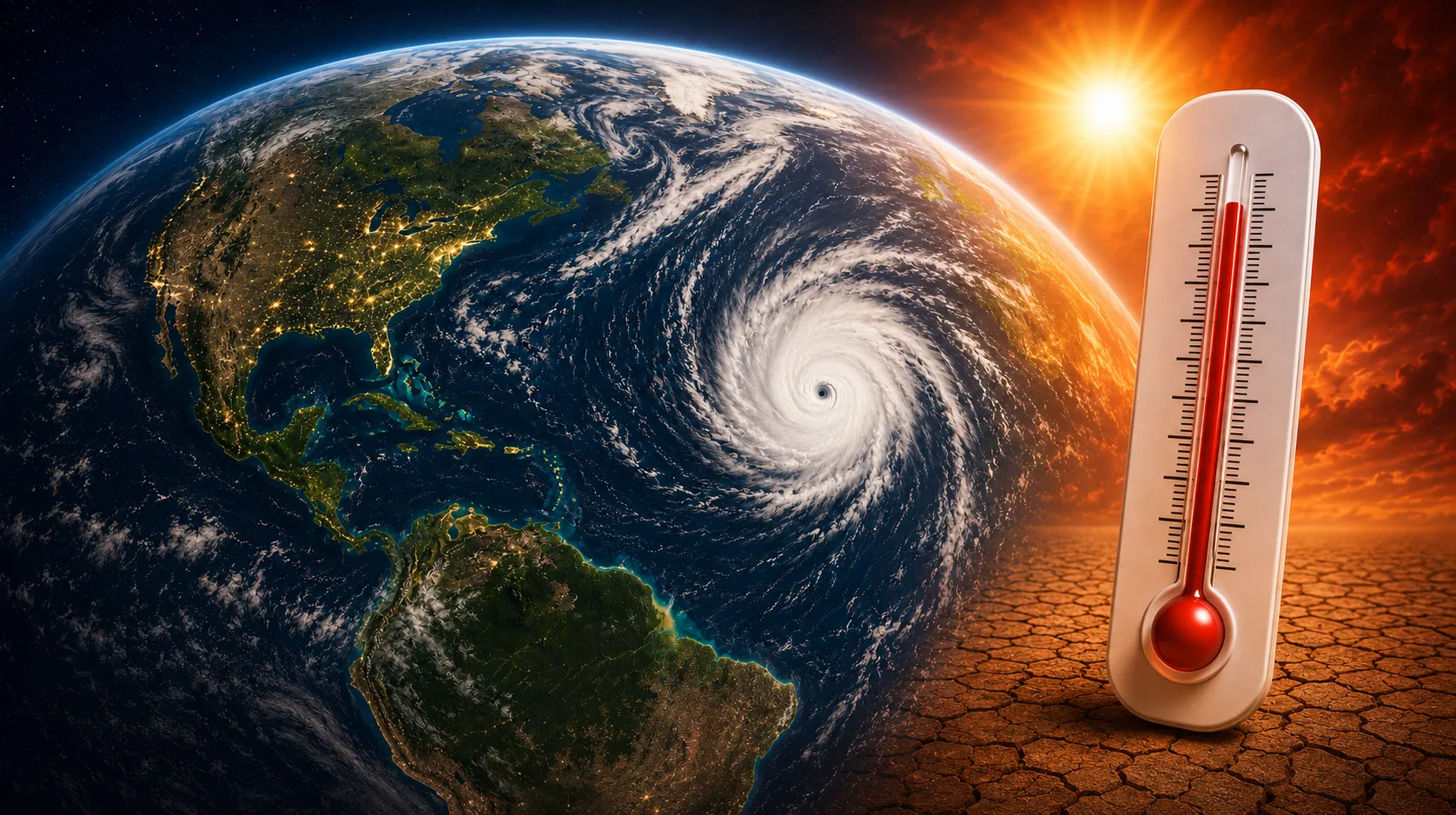
Every summer, the Sun delivers an enormous amount of energy to Earth. Land heats rapidly, while the oceans warm much more slowly because water has a much higher heat capacity than soil or rock. This unique property allows the oceans to act as Earth’s greatest heat sinks, absorbing vast amounts of excess heat and preventing the planet from experiencing far more extreme temperatures.
Covering more than 70% of the Earth’s surface, the oceans function as the planet’s largest thermal reservoir. They store heat during warm seasons and gradually redistribute it through ocean currents and the atmosphere over weeks, months, and even years, helping to stabilise the global climate.
As the oceans warm, evaporation increases. Water vapour carries heat away from the ocean surface as latent energy before condensing into clouds and eventually falling as rain or snow. In this way, rainfall is more than part of the water cycle; it is an essential component of Earth’s natural cooling system and survival. Weather systems, monsoons, hurricanes, typhoons, and tropical cyclones all help redistribute heat and moisture around the globe.
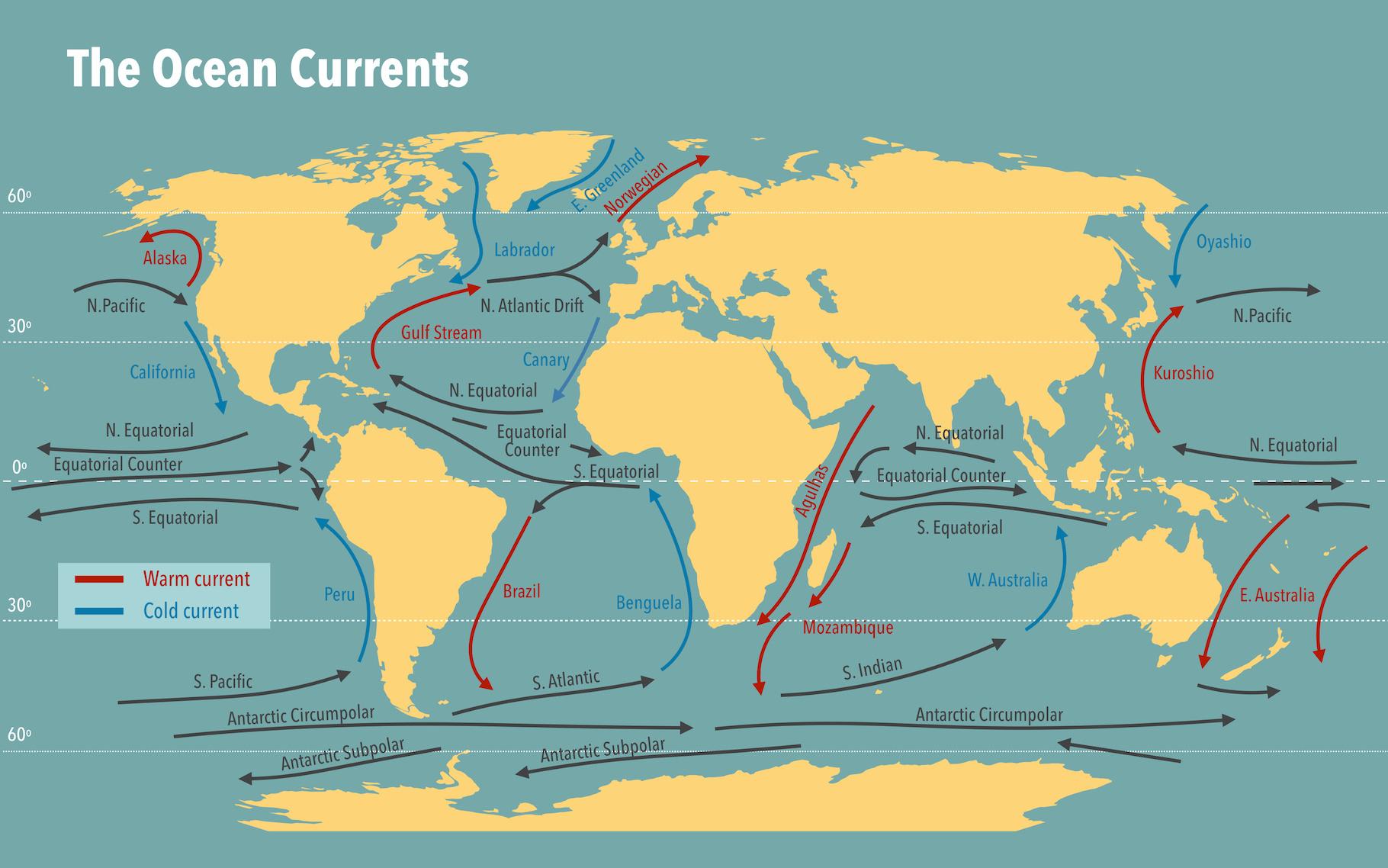
Warmer oceans also increase the atmosphere’s moisture content, raising the potential for heavier rainfall. Under favourable atmospheric conditions, this additional heat and moisture can fuel stronger tropical storms, making these weather systems highly efficient at transporting heat from the tropics toward cooler regions. Storms, hurricanes, and cyclones help to dump large quantities of water vapour accumulated in the atmosphere over a short, concentrated period. It might even seem like an emergency response system of the Earth.
This remarkable planetary process has an intriguing parallel within the human body. Humans maintain a stable internal temperature by sweating. Sweat itself does not cool the body; rather, it is the evaporation of sweat that removes heat from the skin. The Earth appears to use a similar principle. The oceans absorb heat, increase evaporation, transport moisture through the atmosphere, and release it again as precipitation. The parallels between the two systems are right in front of us.
This comparison naturally raises an important question. When a person’s body temperature rises above its normal range, we call it a fever. Over the past century, scientists have observed rising global temperatures, increasing ocean heat content, higher atmospheric moisture, more frequent marine heatwaves, and heavier rainfall in many regions. The question we need to ask ourselves is this.
Is the Earth running a fever?