Climate
The Biggest Climate Opportunity Is Already Built
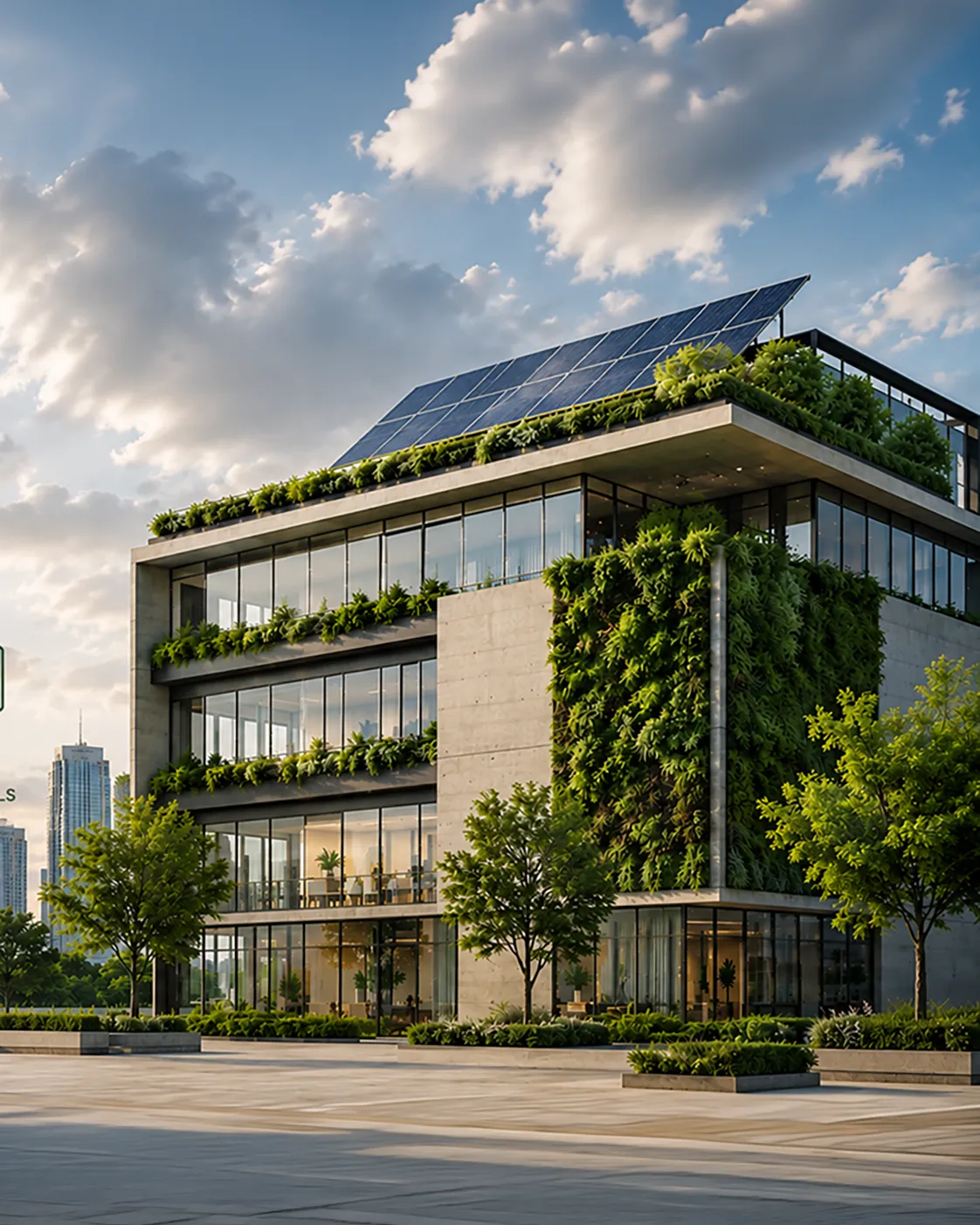
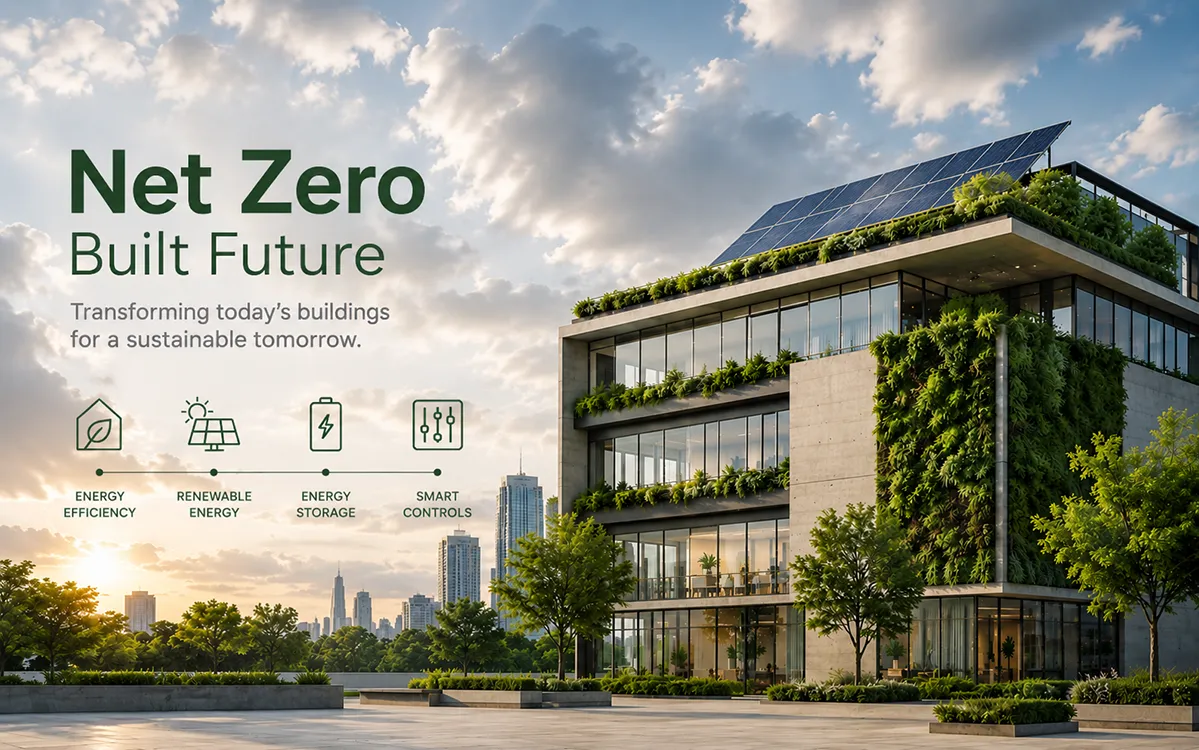
Every year, the world emits more than 37 billion tonnes of carbon dioxide, accelerating climate change and increasing pressure on governments, businesses, and communities to act. While much of the focus is placed on electric vehicles and renewable energy, one of the world’s largest sources of emissions is often overlooked: our buildings.
Homes, offices, hotels, hospitals, schools, and commercial properties account for approximately 37% of global energy and process-related CO₂ emissions, making the built environment one of the largest contributors to climate change.
The Tools Already Exist
The good news is that buildings also represent one of the fastest and most effective climate solutions. Unlike many industries that require new technologies, the tools to create net zero buildings already exist. High-performance insulation, energy-efficient systems, smart controls, renewable energy, and battery storage can dramatically reduce a building’s carbon footprint while lowering operating costs and improving asset value.
Retrofit What We Have Already Built
The greatest opportunity lies in retrofitting existing buildings. Since most of the buildings that will exist in 2050 have already been built, upgrading today’s building stock can deliver immediate and lasting carbon reductions without waiting decades for new construction.
An Economic Opportunity
This is more than an environmental imperative. It is an economic opportunity. Net zero buildings consume less energy, cost less to operate, attract tenants and investors, and are better positioned for an increasingly sustainability-focused world.
The transition to a cleaner future will not be achieved by a single breakthrough technology. It will be achieved by transforming the places where we live, work, learn, and do business.
If we want to make one of the biggest contributions to reducing global carbon emissions, there is no better place to start than turning today’s buildings into tomorrow’s net zero assets.